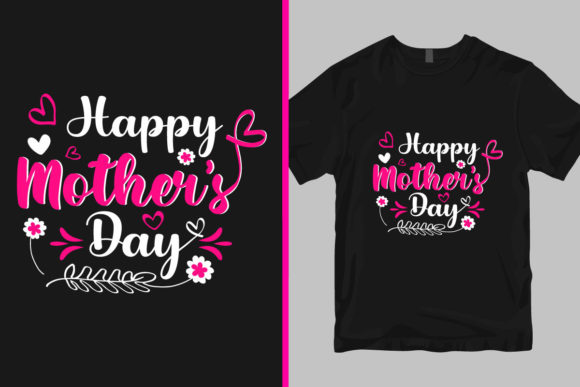
Review: Mother's Day T-shirt Design for Best Mom
As a designer who spends more time staring at stitch maps than actual fabric, I approach every new machine embroidery design with a mix of optimism and skepticism. When I first pulled up the Mother s Day T-shirt Design for Best Mom, my initial reaction was grounded in practicality. This isn't just a pretty picture; it is a set of instructions for a machine to manipulate thread on fabric. For those of us running small shops or creating handmade products for clients, the difference between a design that looks good on a screen and one that stitches out flawlessly is the difference between a happy customer and a refund request.
The visual personality of this Graphic Templates asset leans heavily into warmth and celebration. The layout feels balanced, avoiding the cluttered look that often plagues holiday-specific Graphics. In a real-world scenario, imagine you are preparing a custom order for a boutique client who wants a series of matching sweatshirts for a family gathering. You need a design that reads clearly from a distance but holds up under close inspection. This design offers that versatility. The theme is universally recognizable, which reduces the cognitive load for the buyer—they instantly know what the product is, making it an excellent choice for Etsy seller inventories or craft fair displays where attention spans are short.
Real-World Performance on Apparel and Home Goods
I tested the conceptual application of this design across several substrates to gauge its adaptability. For custom apparel, specifically a mid-weight cotton hoodie, the design shines. The proportions seem well-suited for a chest placement or a centered back print. If you are offering sweatshirt embroidery as a service, this file likely provides the clean lines necessary to look professional on fleece. However, the transition from digital file to physical finished product requires careful consideration of the material.
Beyond clothing, I can see this working beautifully on home goods. A linen tote bag design featuring this motif would make a thoughtful personalized gift. The structure of a tote bag usually allows for a larger hoop, giving the design room to breathe. Similarly, applying this to a pillow cover or a kitchen tea towel could elevate a standard household item into a keepsake. The key here is the "Best Mom" sentiment; it transcends the object it is stitched onto. Whether it is on a baby embroidery project like a onesie bib or a rugged apron for the garden, the emotional resonance remains high.
For those selling digital embroidery file assets, the value of this design lies in its broad appeal. It fits seamlessly into holiday embroidery collections without feeling overly niche. It serves as a solid foundation for printable mockup creation, allowing you to showcase how the design might look on various products before committing to production. This flexibility is crucial for craft business owners who need to maximize the utility of every design asset they purchase.
Navigating Fabric Textures and Stitch Challenges
While the design shows promise, there are areas where a prudent embroiderer must exercise caution. If you are working with stretchy fabric, such as a thin jersey t-shirt, the density of the stitches becomes critical. Heavy fill areas can cause the fabric to pucker or distort over time, especially after multiple wash cycles. Before stitching on a client's garment, always test the design on scrap fabric of the same weight and composition. This simple step saves materials and reputation.
Textured fabrics present another challenge. If you attempt this on a waffle-knit sweater or a coarse canvas, fine details might get lost. The interplay between the thread colors and the fabric texture can muddy the definition of smaller elements. In these cases, you might need to adjust the underlay or switch to a heavier stabilizer to ensure the design sits flat and clear. Dark fabrics also require scrutiny; ensure the design includes appropriate satin borders or light-colored underlays to prevent the background fabric from peeking through the lettering or graphical elements.
Curved surfaces, like caps or hats, demand a different approach entirely. A design intended for a flat t-shirt may not translate well to the front panel of a baseball cap without distortion. The "Best Mom" text, if it contains small lettering, could become illegible if the curve compresses the stitches. Always check the recommended hoop size and compare it to your machine's capabilities for specific items like patches or pockets.
Enhancing Brand Value and Customer Trust
The ultimate goal of using a high-quality embroidery project file is to enhance the perceived value of your work. A crisp, well-digitized design signals professionalism. When a customer receives a small shop product that features clean edges, consistent stitch density, and vibrant colors, their trust in your brand deepens. This design, when executed correctly, contributes to that perception of quality.
Visual appeal is not just about aesthetics; it is about clarity. Does the satin stitch flow smoothly? Are the fill stitch angles logical? These technical aspects determine whether the design looks handmade in a charming way or handmade in a sloppy way. For commercial embroidery projects, consistency is key. If you are producing fifty units for a corporate gift or a school fundraiser, the design must replicate perfectly every single time.
Furthermore, the versatility of this design supports better inventory management. Instead of buying ten different files for ten different mom-themed occasions, a robust, adaptable design allows you to create a cohesive collection. This efficiency translates to higher margins and less time spent sourcing new Graphics.
Practical Notes for the Professional Embroiderer
Before you commit to a full production run, consider these actionable steps to ensure success with the Mother s Day T-shirt Design for Best Mom:
- Test on Scraps: Never skip the test stitch-out. Use the exact fabric and stabilizer combination you plan to use for the final item.
- Check Contrast: Review how the thread colors interact with your chosen fabric. High contrast usually yields better readability, especially for text-heavy designs.
- Inspect Density: Look for areas where stitches are too close together, which can cause thread breaks or bird nesting.
- Verify Hoop Requirements: Confirm that the design fits within your available hoop sizes, particularly if you are working on smaller items like baby clothes or pockets.
- Mockup Verification: Create black and white mockups to check the tonal balance of the design without the distraction of color.
- Licensing Check: Always confirm the license terms. Ensure you are allowed to use the file for commercial embroidery and selling finished items if that is your intent.
In conclusion, while the Mother s Day T-shirt Design for Best Mom offers a strong foundation for a variety of embroidery file applications, its success depends entirely on the skill and preparation of the maker. By understanding the limitations of your materials and respecting the technical requirements of the digitization, you can transform a simple digital asset into a cherished personalized gift or a best-selling small shop product. Treat every stitch as an opportunity to demonstrate your expertise, and let the design do what it does best: celebrate the moms in our lives.