Reviewing Mom T-shirt Design 116 for Real Embroidery Projects
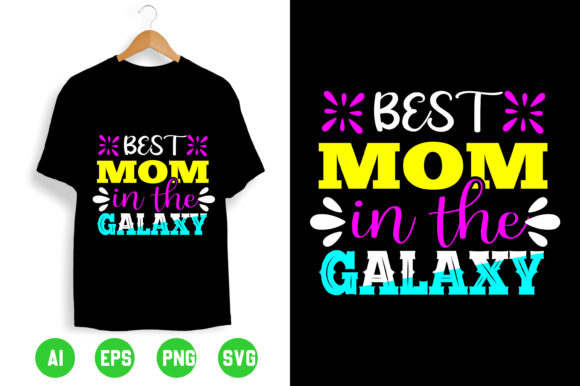
As a designer who spends more time at the hoop than away from it, I approach every new digital embroidery file with a mix of curiosity and skepticism. We have all downloaded a beautiful graphic only to realize it translates poorly into thread. Today, I am taking a close look at Mom T-shirt Design 116, specifically the "Best Mom in the Galaxy" concept. This isn't just about whether the image looks cute on a screen; it is about how this T-Shirt Design holds up when subjected to the needle, the fabric texture, and the scrutiny of a paying customer.
The first impression of Mom T-shirt Design 116 is one of playful confidence. The theme leans heavily into pop culture nostalgia while maintaining a sweet, familial warmth. Visually, the layout suggests a central focal point—likely a planetary or stellar motif paired with bold typography. For an embroidery project, this kind of clear hierarchy is essential. When you are stitching onto a textured sweatshirt or a smooth tote bag, the eye needs to know where to land immediately. The "Galaxy" theme offers a fantastic opportunity to play with thread colors, moving beyond standard primaries into deep purples, midnight blues, and metallic accents that can truly make a handmade product pop.
Putting the Design to the Test: A Real-World Scenario
To give this review practical weight, imagine a common scenario for many Etsy sellers and craft business owners: a rush order for a boutique baby shower gift. The client wants a personalized item that feels high-end but whimsical. You decide to use Mom T-shirt Design 116 on a premium heather grey hoodie. This is where the rubber meets the road.
Because the source files for this product include AI, EPS, PNG, and SVG formats, you have the flexibility to prepare the artwork before it ever hits your digitizing software or embroidery machine. The description notes "100 vector shapes resizable," which is a green flag. In the world of commercial embroidery, scalability is king. If you need to shrink this design for a left-chest logo on a cap or enlarge it for the back of a jacket, vector-based origins mean you won't lose definition. However, remember that resizing a graphic does not automatically adjust stitch density. If you scale it down significantly, those fine lines in the galaxy swirls might become too dense for the needle to penetrate cleanly without breaking threads.
When visualizing the finished product, consider how the "Best Mom in the Galaxy" text interacts with the graphical elements. In embroidery, small lettering can be a nightmare if the font weight is too thin. If the design relies on script fonts or extremely narrow sans-serif characters, you may need to manually adjust the digitizing to ensure the satin stitch columns are wide enough to hold together. On a loopback French terry fabric, like that of a sweatshirt, the pile can swallow thin details. A robust design like Mom T-shirt Design 116 should ideally feature bold lettering that stands proud against the fabric texture.
Navigating Fabric Choices and Technical Challenges
Not every surface is created equal. While this Graphics asset is versatile, its application requires thoughtful consideration of the substrate. For a flat, stable fabric like cotton twill used in tote bag design or aprons, this design would likely stitch out beautifully with minimal fuss. The stability of the fabric supports the weight of the thread, preventing puckering even if the stitch density is on the higher side due to the "galaxy" fill areas.
However, caution is advised when moving to stretchy knits or curved surfaces. If you are attempting this on a baseball cap, the curvature of the crown can distort circular elements. The planetary rings or star bursts in the design might look oval or skewed if not properly compensated for in the digitizing phase. Similarly, dark fabrics present a unique challenge. If the design includes light-colored stars or text, you must ensure there is adequate underlay or a white base layer to prevent the dark garment color from muting the vibrancy of the top threads. This is crucial for maintaining the visual appeal and professionalism of the item.
For those considering this for baby embroidery, comfort is paramount. A large, dense galaxy fill might feel stiff and scratchy against sensitive skin. In such cases, you might opt to use the outline elements for an applique design approach, using soft fabric patches for the planets and limiting the stitching to borders. This reduces the thread buildup while keeping the charm of the "Best Mom in the Galaxy" message intact.
Commercial Viability and Brand Consistency
For small shop product creators, consistency builds trust. If Mom T-shirt Design 116 becomes part of your seasonal collection, perhaps for holiday embroidery like Mother's Day or galactic-themed parties, it needs to deliver reliable results every time. The ability to easily change colors, as mentioned in the product description, is a significant advantage. It allows you to create variations—pastel versions for spring, neon for summer, or classic navy and gold for a more sophisticated boutique look—without needing to redraw the entire asset.
This adaptability directly impacts buyer engagement. Customers love options. Being able to offer this design on a personalized gift like a pillow cover or a kitchen towel, tailored to the recipient's favorite color scheme, adds perceived value. It transforms a generic graphic into a custom creation. Furthermore, using high-quality design assets like this ensures that your printable mockup images look professional, which is half the battle in online sales.
Practical Notes for the Professional Stitcher
Before committing to a production run, always adhere to the golden rule: test on scrap fabric first. Cut a piece of the actual material you intend to use, apply the appropriate stabilizer, and run a sample. Pay close attention to the corners of any geometric shapes within the galaxy motif; these are common failure points where threads can bunch or break.
Check the contrast of your thread choices against the fabric. A black thread on a navy shirt might look seamless on screen but disappear entirely in person. Conversely, high-contrast combinations can make the design look disjointed if not balanced well. Also, verify the hoop size requirements. While the vector is resizable, the physical dimensions of the stitched-out design must fit within your machine's capabilities, especially if you are working with smaller hoops on free-arm machines.
Finally, clarify the licensing terms. The product description indicates these are digital clip art files intended for print and vector use. If you plan to sell these as digital embroidery files yourself, you must ensure you have the rights to redistribute the digitized version. If you are selling the custom apparel or embroidered patch physically, ensure the license covers commercial use of the finished goods. Never assume; always read the fine print to protect your craft business.
In conclusion, Mom T-shirt Design 116 offers a strong foundation for creative expression. Its thematic relevance and vector flexibility make it a viable candidate for a wide range of applications, from wedding gifts to everyday small business merchandise. With careful attention to digitizing nuances, fabric selection, and testing protocols, this design can elevate your portfolio and delight your customers. It is a reminder that great embroidery starts with great art, but finishes with great technique.