Shetland Sheepdog Mom: A Designer's Take on Stitching This Graphic
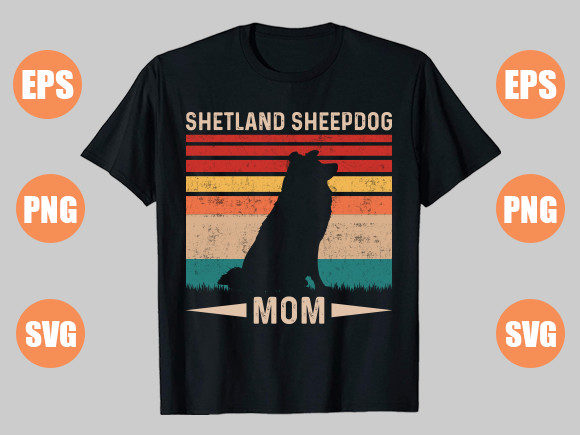
When I first pulled up the Shetland Sheepdog Mom file on my screen, my immediate reaction wasn't just about the cuteness factor, though that is certainly present. As someone who spends hours digitizing and reviewing designs for real-world application, I looked past the initial charm to evaluate how this graphic would translate from a digital Graphics file into a tangible, stitched reality. The design carries a warm, affectionate mood that perfectly captures the bond between a dog owner and their Sheltie. However, the true test of any machine embroidery design lies not in how it looks on a monitor, but in how it performs under the needle on various fabrics.
Visual Personality and Layout Analysis
The layout of Shetland Sheepdog Mom suggests a strong suitability for apparel and home decor. The composition feels balanced, likely utilizing a mix of satin stitch for bold outlines or text and fill stitch areas to give body to the dog illustration. From a designer's perspective, the visual personality here is key. It isn't overly complex, which is a significant advantage for production speed, yet it retains enough detail to look professional rather than generic. The theme is unmistakably geared toward pet lovers, making it an ideal candidate for personalized gift items or boutique merchandise.
One thing I always check is the flow of the elements. In this case, the integration of the text with the imagery appears seamless. For an Etsy seller or a craft business owner, this balance is crucial. If the text is too small or the details too tight, the design fails on textured materials. My assessment is that this design has a robust structure that should hold up well, provided the right techniques are used during the stitching process.
Real-World Application: The Custom Sweatshirt Scenario
To truly understand the value of this embroidery project, I imagined a specific real-life scenario: a customer ordering a custom sweatshirt embroidery piece for Mother's Day. Picture a soft, heather-grey French terry sweatshirt. This is a popular item for small shop product lines. Placing Shetland Sheepdog Mom on the left chest or centered on the front creates an instant emotional connection.
In this context, the design shines. The subject matter appeals directly to a niche audience that is often willing to pay a premium for high-quality, handmade items. When a customer sees this design on a finished product, they aren't just seeing thread; they are seeing their own identity as a "dog mom" validated. This drives buyer engagement and builds customer trust. For a handmade product creator, offering this on a cozy sweatshirt elevates the perceived value of the item far beyond the cost of the blank garment and thread.
Beyond apparel, this design is versatile enough for a tote bag design. Imagine a canvas tote used for carrying dog treats and toys. The durability of the stitch work becomes critical here. If the design relies heavily on long satin runs without proper underlay, it might snag. However, assuming standard digitizing practices were followed for a commercial-grade file, it should serve as a durable design asset for daily use items.
Navigating Fabric Textures and Hoop Constraints
While the design is promising, practical execution requires caution. Not every fabric is created equal. If you are planning to use Shetland Sheepdog Mom on a textured fabric like a waffle knit or a heavy towel, you must consider the stitch density. High-density areas can cause puckering if the fabric isn't properly supported. Conversely, on very thin or stretchy fabrics, such as a lightweight jersey custom apparel piece, the weight of the thread could distort the garment over time.
I also need to address the issue of hoop size. While many modern machines handle standard hoops easily, if you are adapting this for a cap or a curved surface, you must ensure the design fits within the available stitching field without hitting the frame. Curved surfaces introduce tension variables that flat fabrics do not. For a beginner, sticking to flat items like pillow covers or tea towels is safer. For an experienced decorator, tackling a cap requires precise hooping and potentially adjusting the pull compensation in your software if you have access to the editable source files.
Dark fabrics present another challenge. If the original file was designed with light backgrounds in mind, the contrast might be lost on a black hoodie. You may need to manually adjust the thread colors in your machine software to ensure the "Mom" text and the dog's features pop against darker backdrops. Always run a test on scrap fabric of the same weight and texture before committing to the final product.
Enhancing Brand Consistency and Product Value
For those running an online store, consistency is everything. Using a cohesive set of T-Shirt Designs helps establish brand recognition. Shetland Sheepdog Mom fits well into a collection of pet-themed goods. When customers see a consistent style across your printable mockup galleries and actual finished product photos, it signals professionalism. This design contributes to that aesthetic, offering a clean look that photographs well for social media marketing.
The "giftability" factor is also high. Whether it's for holiday embroidery projects like Christmas stockings or a birthday surprise, this design taps into the emotional market of pet ownership. People love buying things that reflect their passions. By offering this on diverse items—from baby embroidery onesies (if scaled appropriately) to kitchen aprons—you expand your market reach. Just remember to scale the design proportionally; what looks good on a tote might be overwhelming on a baby bib.
Critical Designer Notes for Success
Before you start stitching, there are several non-negotiable steps to ensure quality. First, always check the licensing terms provided by the creator. The description mentions these are digital files for personal use or gifts, but if you intend to sell finished items commercially, you must confirm that the license permits commercial embroidery sales. Never assume; always verify to protect your business.
- Stabilizer Selection: Choose a stabilizer that matches your fabric. Cut-away stabilizer is generally best for stretchy garments to prevent distortion after washing, while tear-away works for stable woven fabrics like tote bags.
- Thread Contrast: Review the color map. Ensure there is enough contrast between the design elements and the background fabric. Don't be afraid to swap suggested colors for something that better suits your specific inventory.
- Density Check: Inspect the stitch count relative to the size. If the design feels too dense for a lightweight fabric, consider resizing or consulting a digitizer to lighten the fill areas.
- Test Stitch: Never skip the test run. Stitch the design on a scrap piece of your actual production fabric. This reveals issues with registration, tension, and fabric feed that a screen preview cannot show.
- Small Details: Pay attention to tiny lettering or fine lines. These are the first areas to fail if the tension is off or if the fabric shifts slightly during hooping.
In conclusion, Shetland Sheepdog Mom is a solid contender for your embroidery repertoire. It bridges the gap between a cute graphic and a viable commercial product. With careful attention to fabric choice, stabilizer support, and licensing compliance, this digital embroidery file can become a staple in your shop, delighting customers and adding a touch of warmth to their wardrobes and homes. Treat it with the technical respect it deserves, and it will reward you with beautiful, durable results.